
 LOG IN





 Loading...
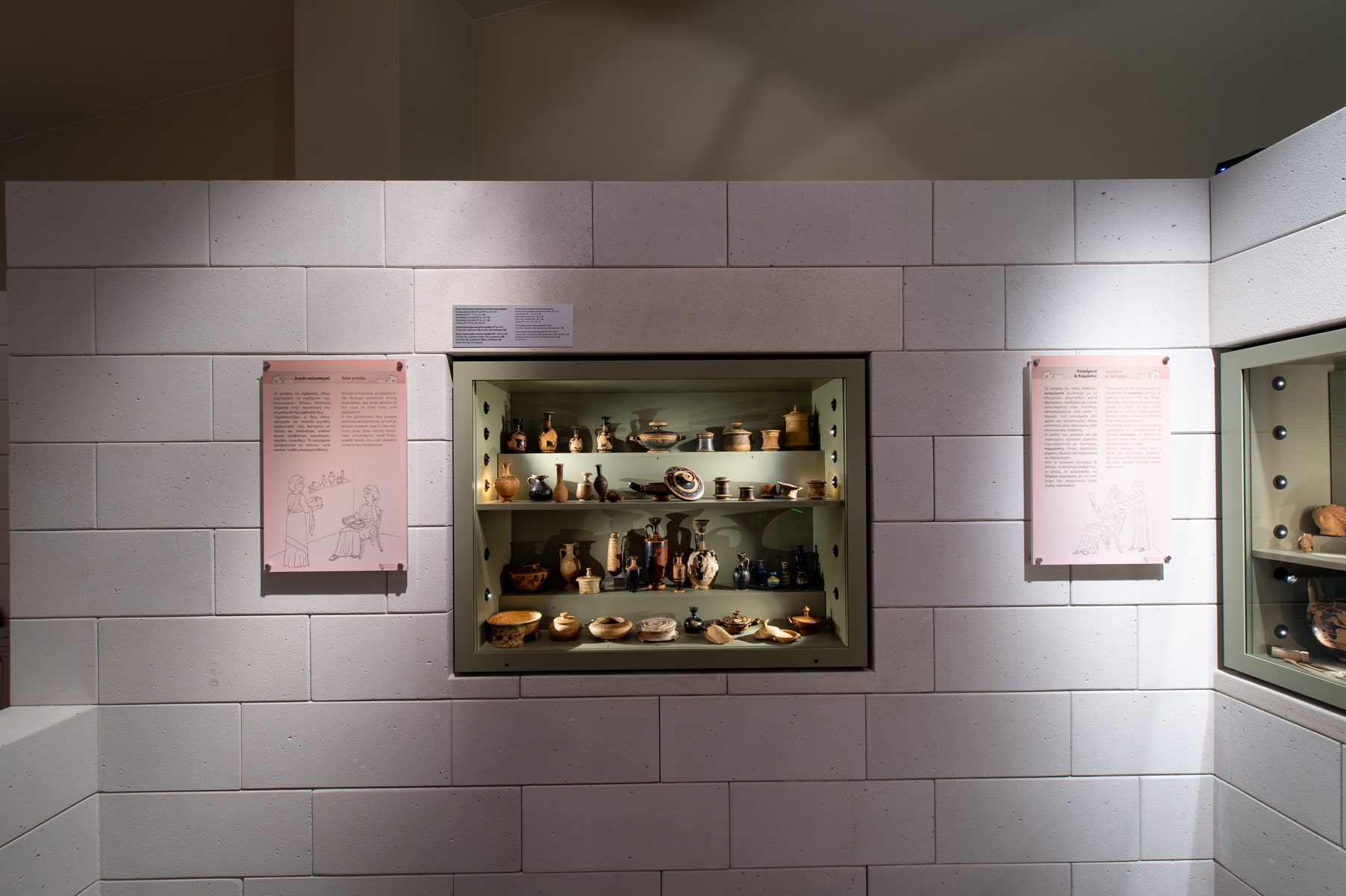
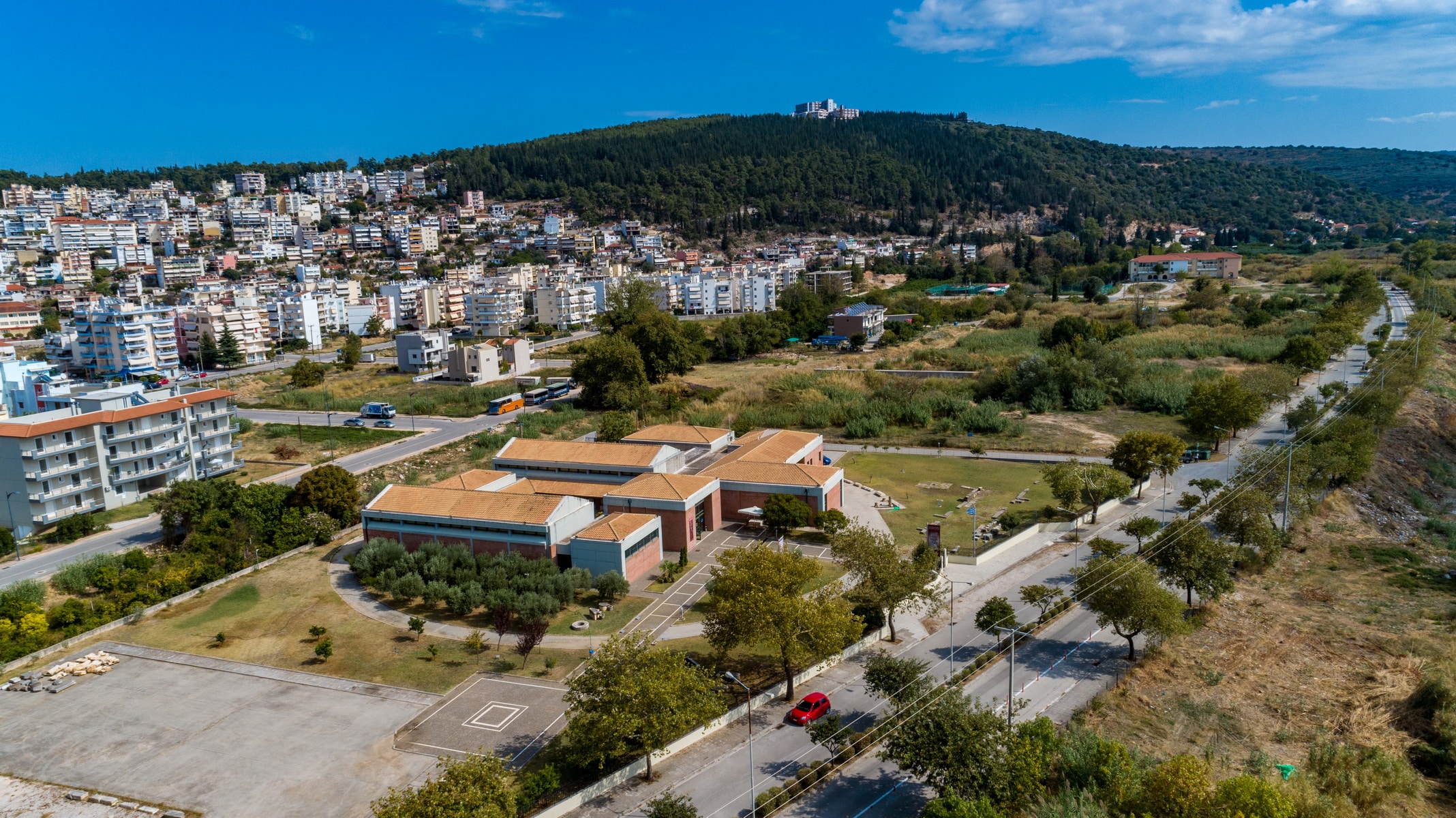
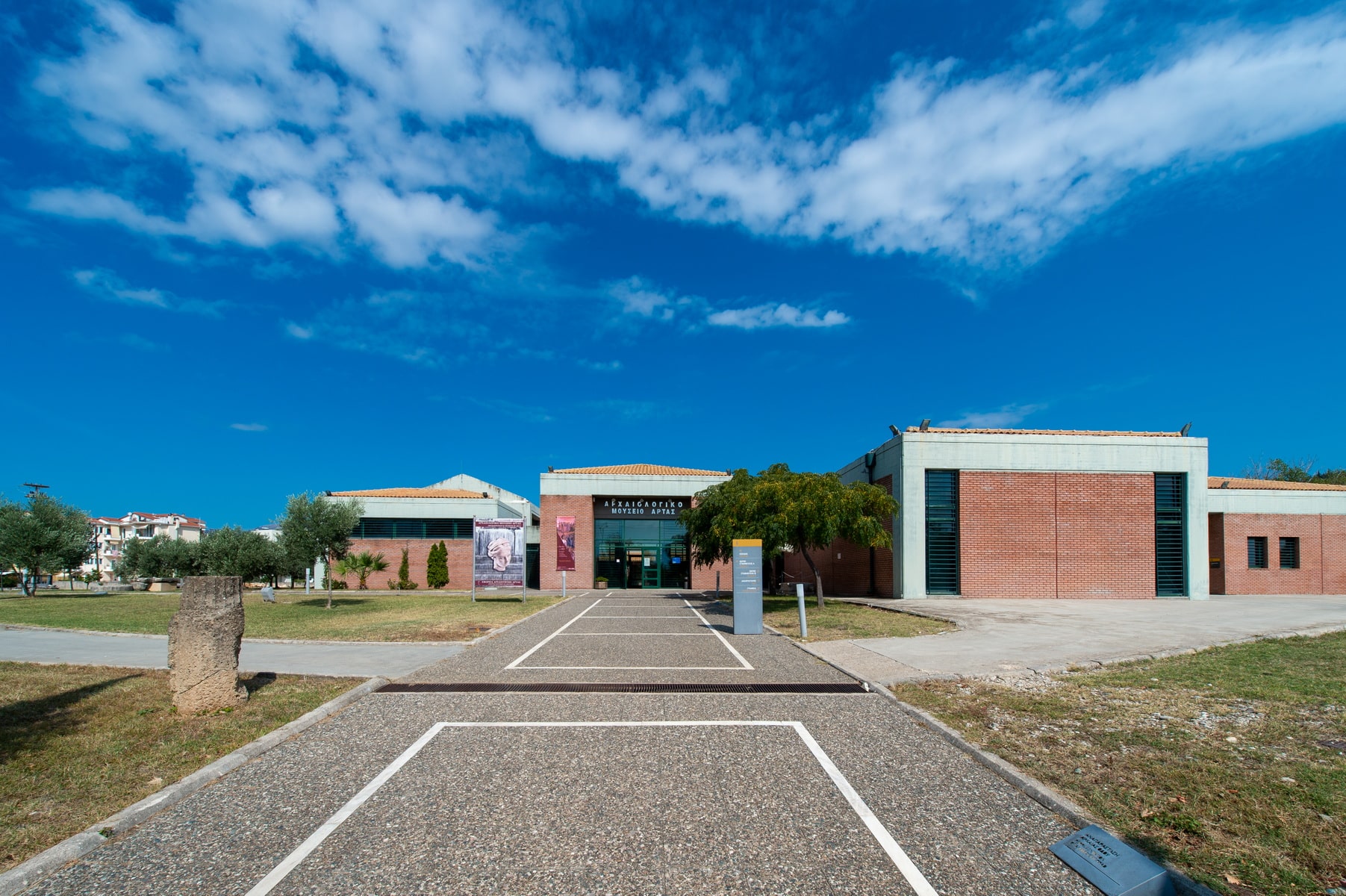
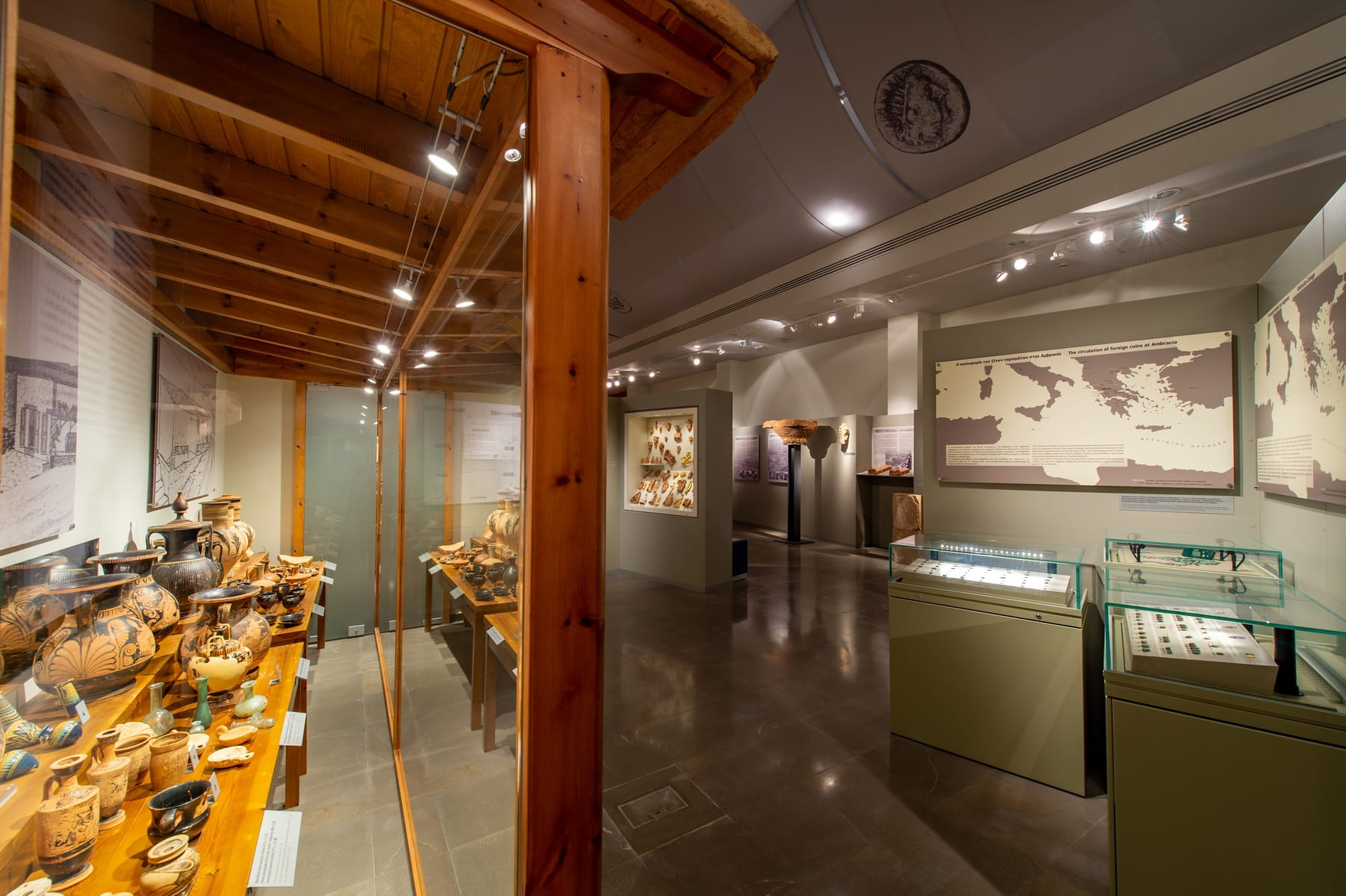
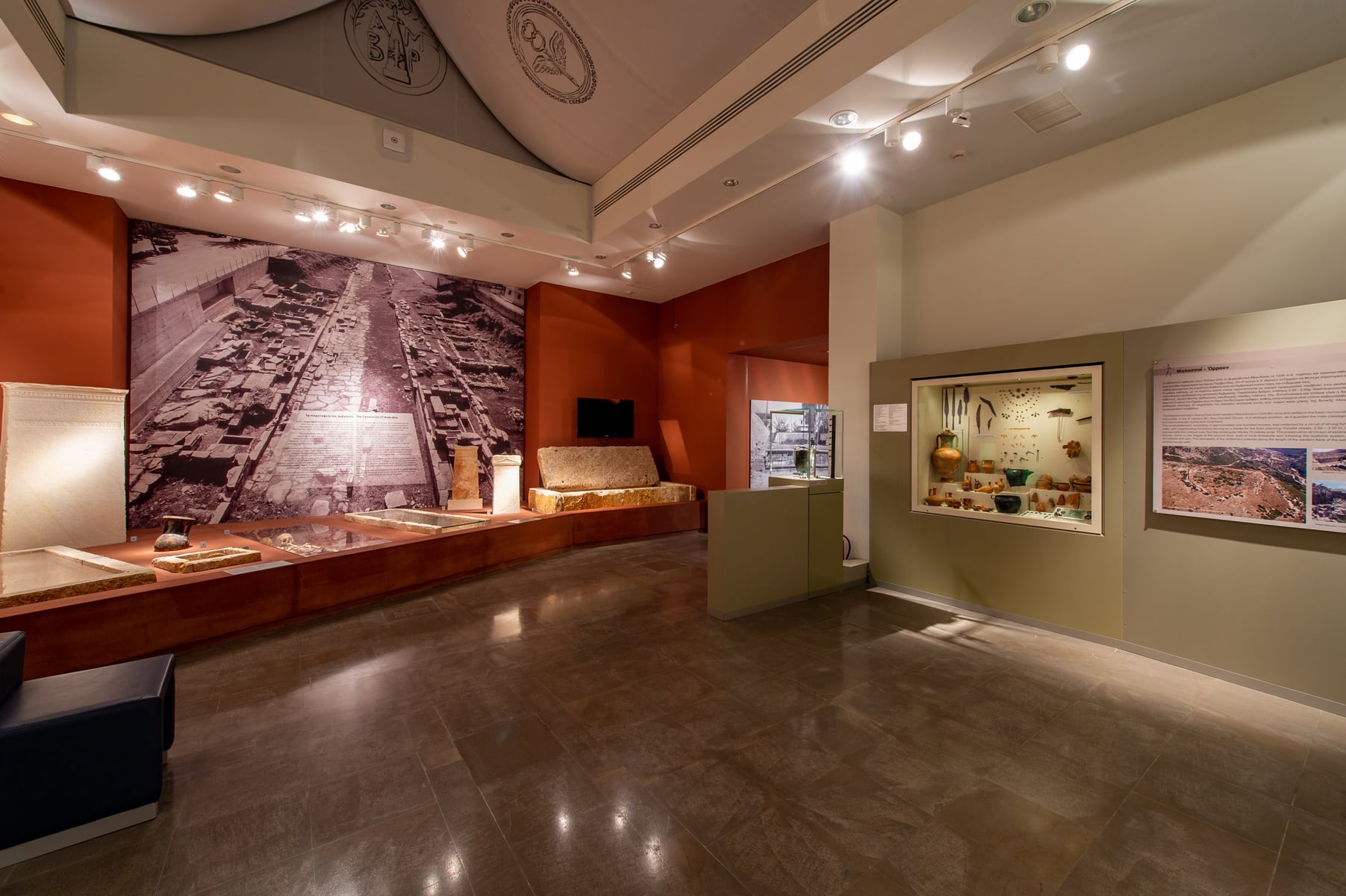
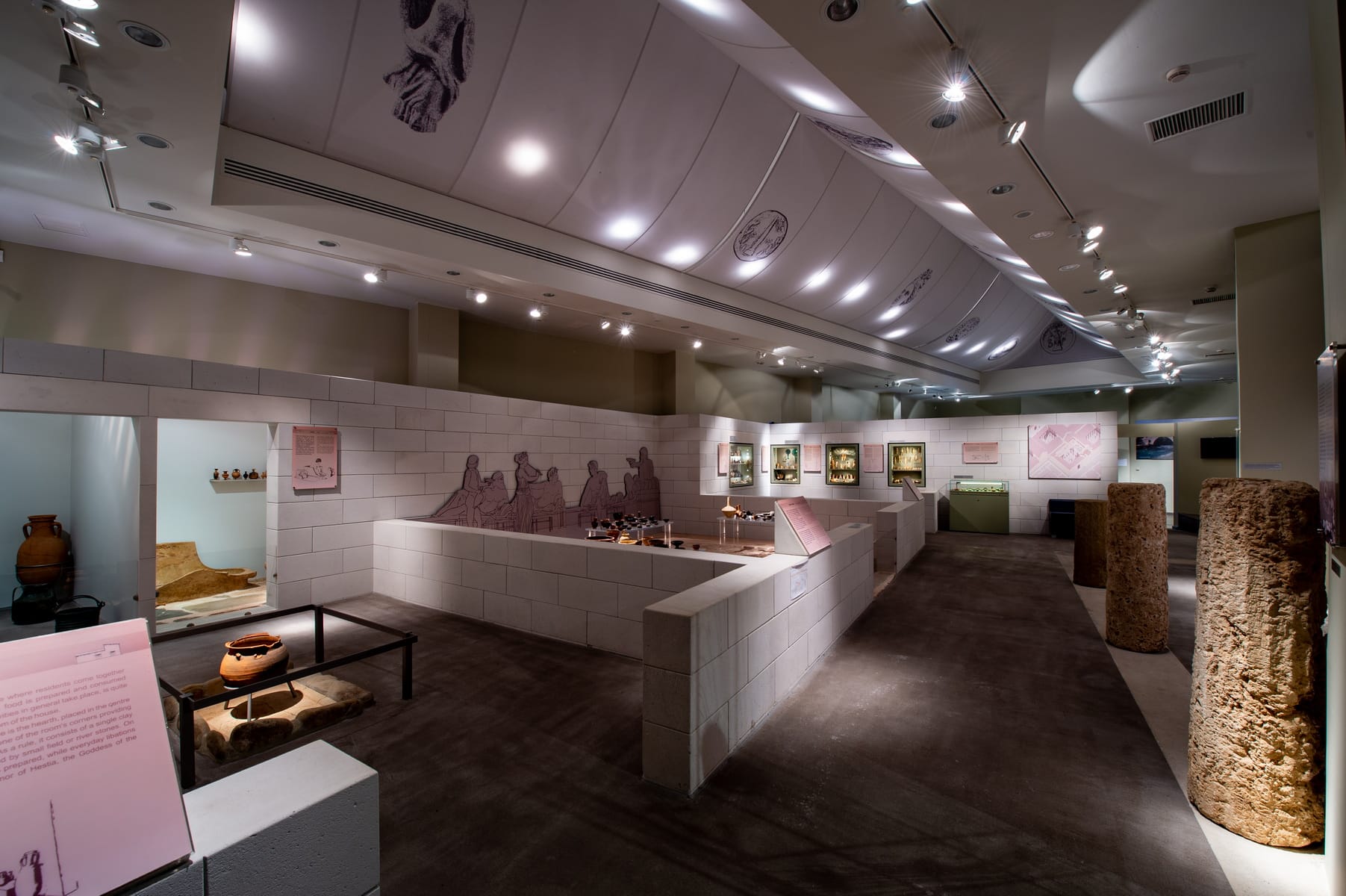
The Archaeological Collection of Arta was founded in 1973, housed in the renovated dining room of Parigoritissa Monastery. This collection included finds from Arta and the wider area. However, the huge volume of portable finds from the salvage excavations of the last decades of the 20th century made it imperative to establish an Archaeological Museum in the city, both for the presentation – exhibition of the most important of them, and for the safe storage of the rest. Thus, the new Archaeological Museum of Arta was opened in 2009 near the Arachthos river and the historic bridge.The organization of the museum’s permanent exhibition was based on modern museological concepts that project the daily life and the characteristics of the ancient city’s society. The museum outlines Amvrakia’s historical route through three main sections. The first section is dedicated to public life, the second to burial customs, and the third to private life. Finally, there are two other smaller sections, the “introduction to the exhibition” with findings from prehistoric and early times and the “end of Amvrakia” with findings concerning the last period of the Corinthian colony.On Tuesday, July 16, 2024, the Archaeological Museum of Arta received the Certified Museum designation, making it one of Greece’s first fully upgraded state museums. Notably, the museum offers bilingual (Greek-English) educational and informational material, as well as a brochure in Greek and English Braille, which includes a tactile floor plan of the permanent exhibition. The building is fully accessible and compliant with current legislation regarding accessibility for individuals with disabilities, including facilities such as restrooms and ramps.Since the spring of this year the Museum’s Café and Shop have been operating during the museum’s opening hours.
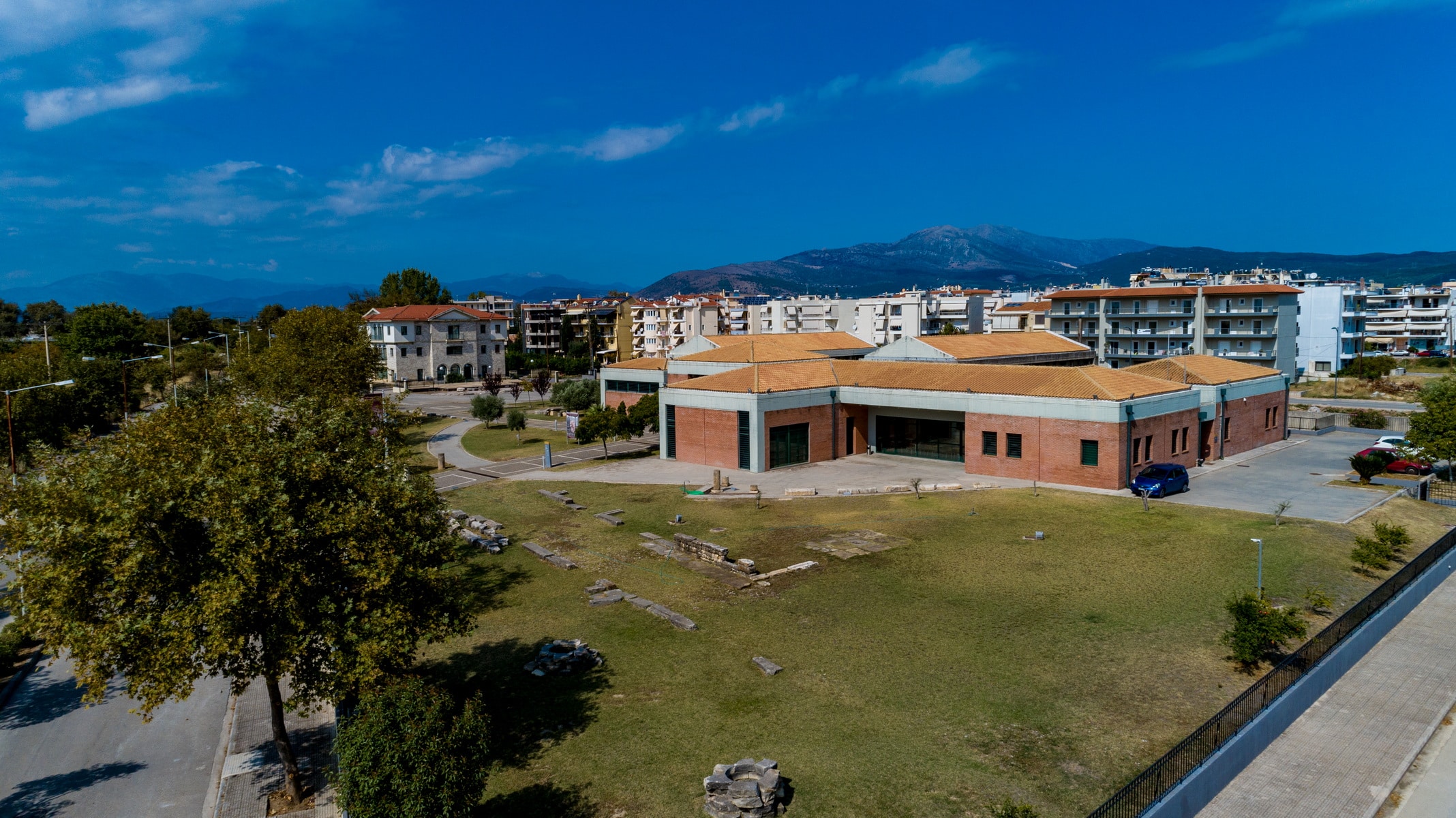
Archaeological Museum of Arta

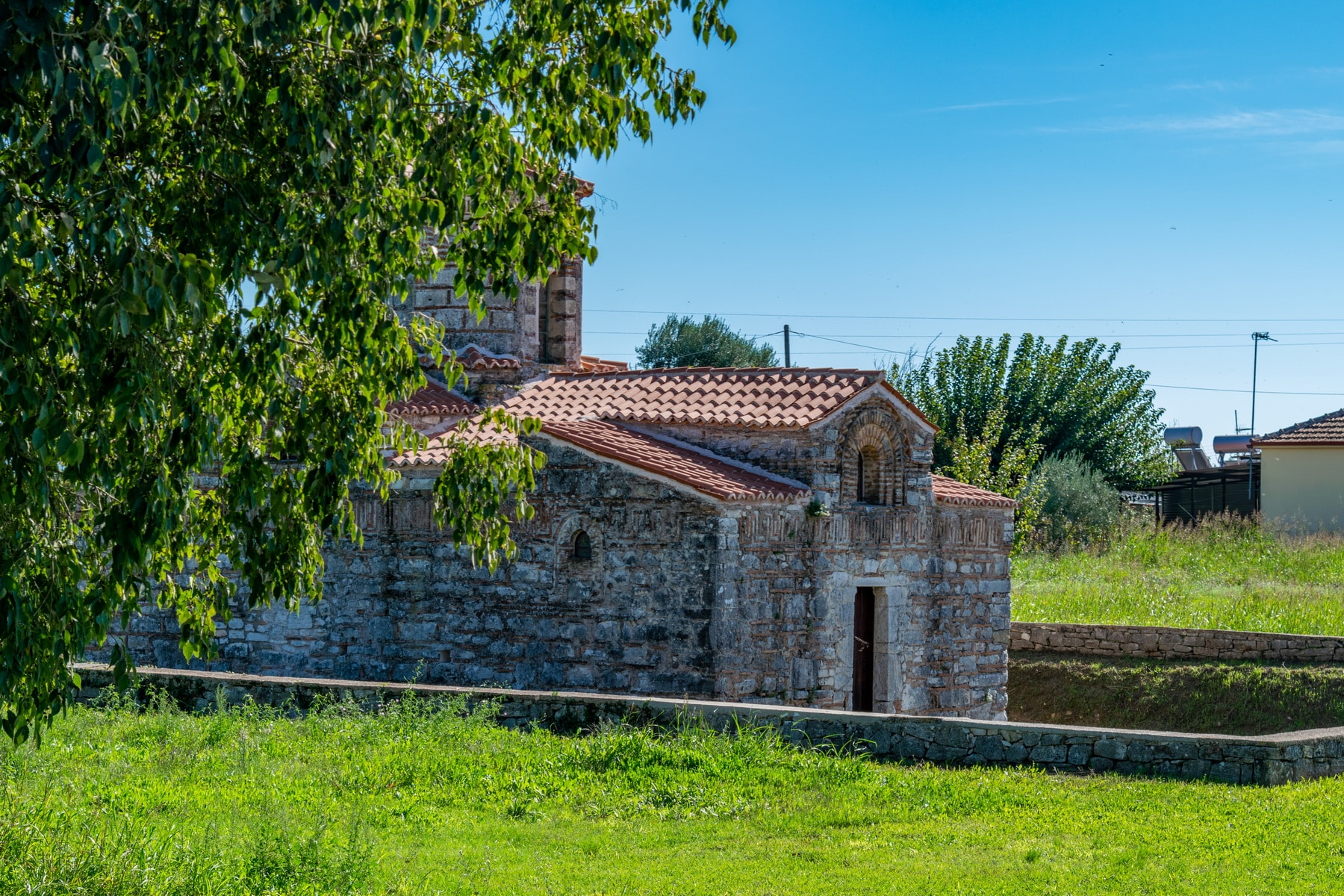
 Church of Aghios Nikolaos of “Rodia”